Mastering the Art of Side Saddle Putting: A Unique Approach to Lowering Your Golf Scores
Even amongst PGA players, there exists a notable variance in putting statistics.
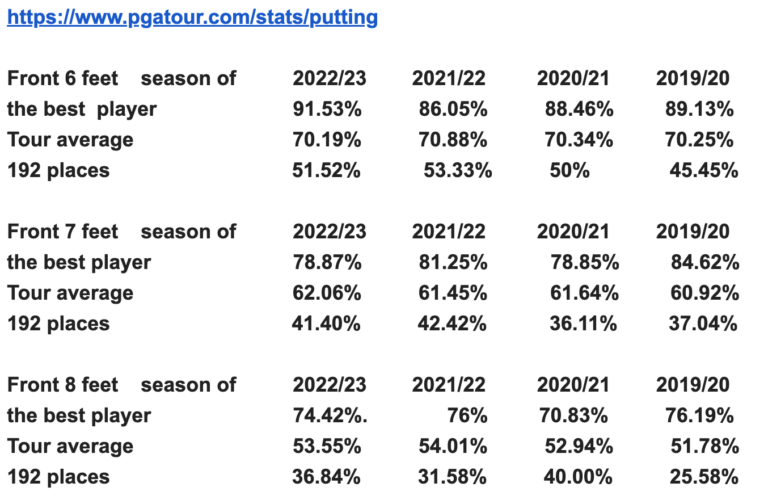
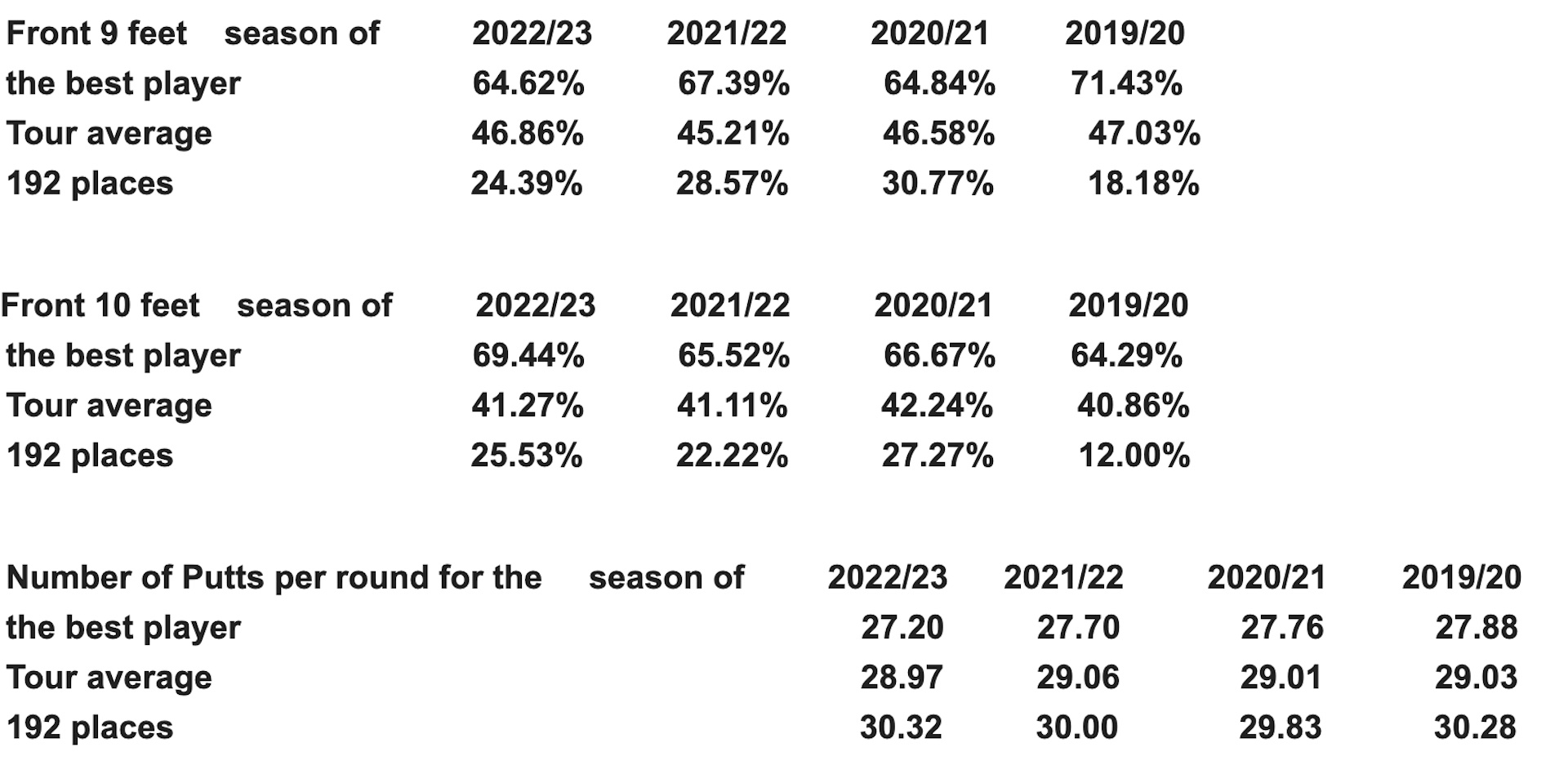
The contrast on the PGA Tour between the top performer and the 192nd-ranked player reveals a significant 40% difference in successful putts from 6 to 10 feet. This gap underscores the necessity for improvement across all skill levels. Putting holds immense significance in golf, constituting over 40% of a player’s score. It is evident that enhancing this aspect is crucial for overall performance.
Yes, Bryson DeChambeau received some bad news from the USGA regarding his designed putter for the side saddle putting stroke.
His innovative creation featured a unique design where the side of the putter could potentially serve a dual purpose, enabling a chipping motion. This distinct feature allowed for the side of the putter to face the target when positioning the putter’s face towards the right foot during a chip shot, facilitating an alternative chipping technique.
Personally, I submitted two distinct putter head designs to the USGA for their approval process. One of my innovative models was ingeniously crafted to serve the dual functions of putting and chipping, all within the framework of a single club. Regrettably, despite its innovative design, this particular model did not receive the approval from the USGA.
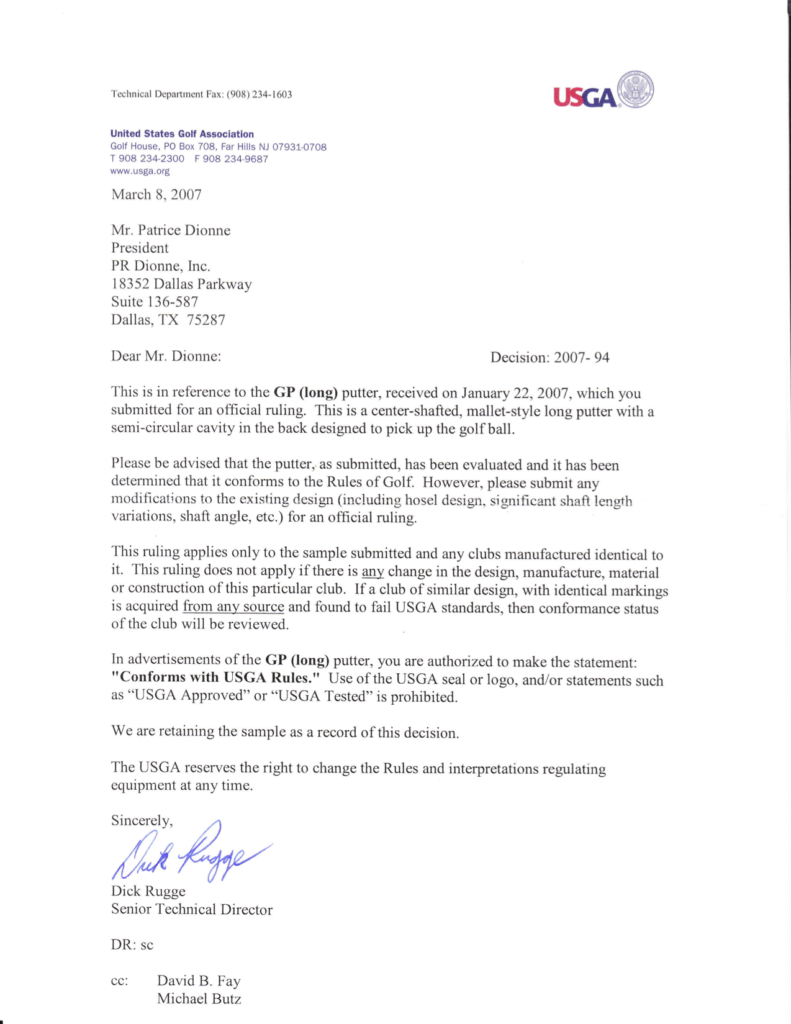
However, the Side Saddle GP Putter, meticulously crafted to adhere to the stringent rules and regulations of golf, successfully obtained the USGA’s stamp of approval. It’s fascinating to note that Bryson DeChambeau had experience using the GP Putter during his collegiate years at SMU.
I was thrilled to receive an email from Mike Schy, Bryson’s golf coach, who highlighted that Bryson was showcasing remarkable performance at the Jones Cup while skillfully utilizing the GP Putter: “Not sure if you’re aware, but Bryson is leading the Jones Cup using your GP putter.” This commendable achievement further underscores the effectiveness and prowess of the Side Saddle GP Putter in the hands of a skilled player like Bryson DeChambeau.
In addition, I was delighted to receive an email from Mike Schy, who highlighted that Bryson was showcasing remarkable performance at the Jones Cup while skillfully utilizing the GP Putter: “Not sure if you’re aware, but Bryson is leading the Jones Cup using your GP putter.” This commendable achievement further underscores the effectiveness and prowess of the Side Saddle GP Putter in the hands of a skilled player like Bryson DeChambeau.”
It’s unclear how many hours golfers spend practicing putting in their lifetime, but the putting statistics suggest a need for change. Often, players attempt to outperform others using conventional methods despite consistent struggles in putting. While a slight push or pull on a putt from longer distances may still leave the ball close to the hole, this isn’t the case for shorter putts inside 10 feet. Continuously employing the same techniques without improvement becomes counterproductive.
Is side saddle putting legal? Yes, it’s legal, and you should think about enhancing your putting game by making a change. In a golfer’s bag of 14 clubs, one club often goes unused, making it feasible to replace it with the GP putter for short putts. While adjusting to longer lag putts might take some time, using the GP putter significantly improves your accuracy from within 10 feet. It’s important to understand that missing these short putts can be frustrating, especially considering that the next putt counts as much as your best drive of the day.
Hey there! Ever thought about giving the side saddle putting stroke a try?
Here’s why it could be a game-changer: With the GP putter, the golf shaft moves right along the path you want your ball to take, keeping the putter head square to your target line throughout your stroke.
Now, most putters, including the GP, need at least a 10-degree lie angle between the putter head and the shaft when placed flat on the green. But here’s the kicker: when you putt with the putter head flat on the green, it tends to make the stroke open and close the putter head, messing with your shot regardless of your putting style. That’s often why putts end up going off course.
But guess what? The side saddle putting stroke helps solve this problem. By allowing the shaft to stay more upright, it keeps a consistent putter face angle throughout your stroke. That means better accuracy and more controlled putts, reducing those frustrating moments when your putts veer off target. This can result in better accuracy and more controlled putts, reducing the tendency to push or pull your putts off line.
Do you want to take your golf game to the next level? Look no further than our state-of-the-art side saddle putting technique! Don't let anyone tell you that you can't achieve greatness - with the proper training and support, you've got what it takes to become a pro. So what are you waiting for? Start today and unleash your full potential on the green!
The side-saddle GP putter continues to stand as the premier choice, meeting all compliance standards in 2024. Delve into a world of notable enhancement in your putting game by embracing the GP putter. Our comprehensive collection of videos offers a profound insight into the ease of mastering this side saddle putting technique while ensuring its complete acceptance in any international golf tournament.
Thriving on the market for over 17 years, the GP putter demonstrates enduring reliability and innovation, proving its resilience against the challenges of time. Our sidesaddle putter continues to find its way into golf bags.
Click this link for the PDF letter of the USGA


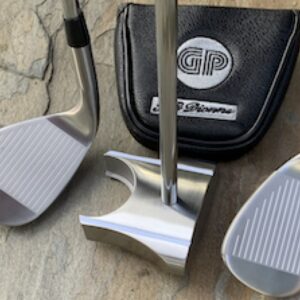
Basic setup for the side saddle putting technique with the GP putter.
The Side Saddle putting technique means lining up directly with your target while putting. It allows for a smooth and regulation-compliant putting stroke in any golf tournament. When using the GP Putter for precise putting, having a perfect setup is crucial. One essential aspect is keeping the GP Putter’s shaft vertical during the setup. This guide helps optimize your setup and address position, boosting your putting skills with the GP Putter.
I’d like to encourage you to give the side saddle putting stroke a try, but we know not everyone feels comfortable looking different in front of their friends. I’ve received comments when playing with strangers, but after a few holes and witnessing the putts going in, they often become curious. It’s a satisfying feeling! Now, the common question I get is: if this method is so effective, why don’t we see it on the PGA Tour?
Well, consider this: PGA Tour players are the cream of the crop. Most of them started golfing at a very young age and received instructions from parents or PGA professionals, typically teaching what they know. Moreover, major golf manufacturers don’t have putter designs for the side saddle putting stroke. I tried buying one before we developed the GP putter in 2006. If you look at the PGA Tour putting stats, there’s a significant gap between the top-ranked player and the one in 192nd place. Just imagine if some of those players tried this approach – it could likely change the world ranking for the best.
The GP putter excels at short distances because it eliminates pushing or pulling putts, providing consistent results. When putting from 30 plus feet, a pulled or pushed putt might still land near the hole if the distance and speed are right. The PGA tour statistics reveal that approximately 52% of putts made from 8 feet are successful. When it comes to such short distances, pulling or pushing putts might be the reason why we don’t see them on TV. While not everyone can hit a 300-yard drive, sinking a 10-foot putt is within everyone’s capability. The real question is: are you consistently making those putts?
Choosing the side saddle putting technique was a pivotal decision for me. In short, my struggles with putting stemmed from a vision problem when using a traditional short putter. What struck me was the discrepancy in my perception: from the side angle, it seemed like my putter was perfectly aligned with the hole. However, when another person held the putter and I viewed it from behind, it became clear that my alignment was off. This realization prompted me to devise a corrective drill.
I set up a drill on a straight line, attempting three putts from each foot increment, ranging from 1 to 6 feet. The twist? If I missed a putt, I’d reset and start again.
Despite my dedication, I couldn’t achieve the goal of consecutively sinking 18 putts using the conventional putting stance. After continually trying this drill over and over and not succeeding, I mentioned this to my brother. He said STOP complaining and invent a putter that works like your “side saddle / face on chipping golf club” that you successfully invented. So I followed his recommendation and you can now see from the videos that this has REALLY changed my putting drastically. FOR THE BETTER!!
As you may know, putting represents over 40% of your score in golf. So, it is VERY clear that we all need to improve this very important part of your game. I practiced from inside 10 feet 90% of the time because the statistics clearly show that we have 50% of our putts from inside 6 feet. Almost every time you 3 putt it because you miss your second putt from inside of 6 feet to the hole. Lagging your putts is easy if you are very good from inside 10 feet this gives you a big bucket to aim at. Like I mention in the videos, I concentrate on the speed and distance of every putt after carefully selecting my target line to inside the hole.
My recommendation is that when you receive the GP putter find a straight line putt of 6 feet and putt 100 balls from there. This will do a few things for you. You will find a side saddle putting stance that is very comfortable for you and therefore, you’re putting stroke will be both consistent and accurate. After doing this 100 times, you will then clearly know if you correctly setup for that target line the ball will go on that line. We don’t open or close the putter head at all during the putting stroke. Click here for the basic side saddle setup.
Just make sure you thank everyone when they say good putt 😉 This is the fund part of the game.
Embracing an unconventional method in your putting technique can yield remarkable improvements. The insights gleaned from PGA tour statistics underscore the essential need to shift towards a distinct approach, one that has the potential to significantly elevate and transform your putting game. By exploring innovative strategies and techniques, you open doors to unlocking greater precision, consistency, and overall success on the greens.
Golf, known as the ‘gentleman’s game,’ blends tradition with innovation. Among various approaches to improve scores, side saddle putting has emerged as a noteworthy technique. This innovative method diverges from the usual stance and grip, offering benefits such as enhanced alignment, reduced wrist action, and decreased putting anxiety.
However, adapting to side saddle putting requires patience and might not suit every golfer’s style. Despite its challenges, mastering this technique can elevate putting performance. Exploring new strategies is essential for improving skills and enjoying the game more fully.
Additionally, here are four effective procedures to combat pulling and pushing putts:
- Identify the causes behind wayward putts—misalignments, setup issues, or pressure.
- Correct alignment ensures eyes, shoulders, and feet face the target for better strokes.
- Embrace a pendulum-like motion for smoother and straighter putting strokes.
- Practice mindful visualization to enhance focus and confidence during putts.
Implementing these procedures can revolutionize your putting game, leading to more consistent and accurate strokes.
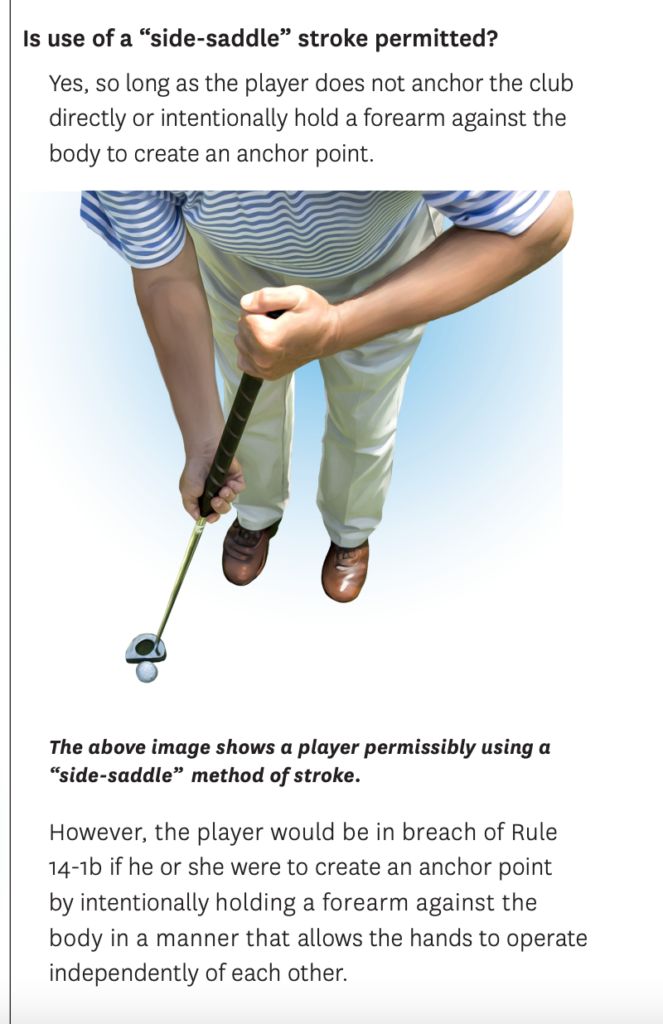
Is Side Saddle putting legal?
We get this questions multiples times and the short answer is YES but this is the ruling of the USGA about this putting style. ” Is use of a “side-saddle” stroke permitted? Yes, so long as the player does not anchor the club directly or intentionally hold a forearm against the body to create an anchor point.

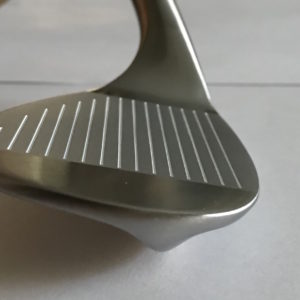
With the SkyLob Wedge, there’s no need to manipulate the clubface; you can keep it square, just as you would with any other club in your golf bag. This means you can employ a consistent golf swing for every shot, even within the bunker. The result? A more predictable and accessible golf experience with consistently improved outcomes.
Let’s dive into the unique features of the HBB 56-degree wedge and why it’s a game-changer. The HBB wedge stands out for several reasons, notably its bounce design, a concept dating back to the 1930s. Traditionally, bounce was strategically placed to prevent the club from digging into sand. Our innovation with the HBB wedge involves positioning the bounce at the back of the clubhead.
This strategic placement allows golfers to harness the bounce deliberately. By slightly opening the clubface or positioning the HBB head towards the front of your stance, you effortlessly utilize the bounce specifically when navigating bunkers. The key distinction between the HBB and a standard wedge lies in our ability to control the bounce’s engagement. When executing shots from the fairway, we bypass the bounce, enabling a clean, descending strike on the ball. This technique results in excellent backspin generation and produces a satisfying divot, optimizing your performance on the course.
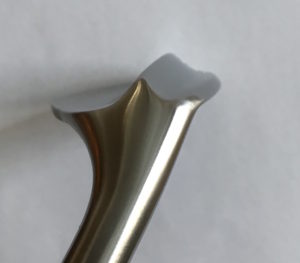
We meticulously explore the nuanced and specialized design features inherent in the GP putter. These design elements have been finely crafted and optimized to seamlessly enhance your mastery of executing the side saddle putting stroke, allowing for a smoother and more effective performance on the green.
Side Saddle Putters for Sale: Discovering Available Options
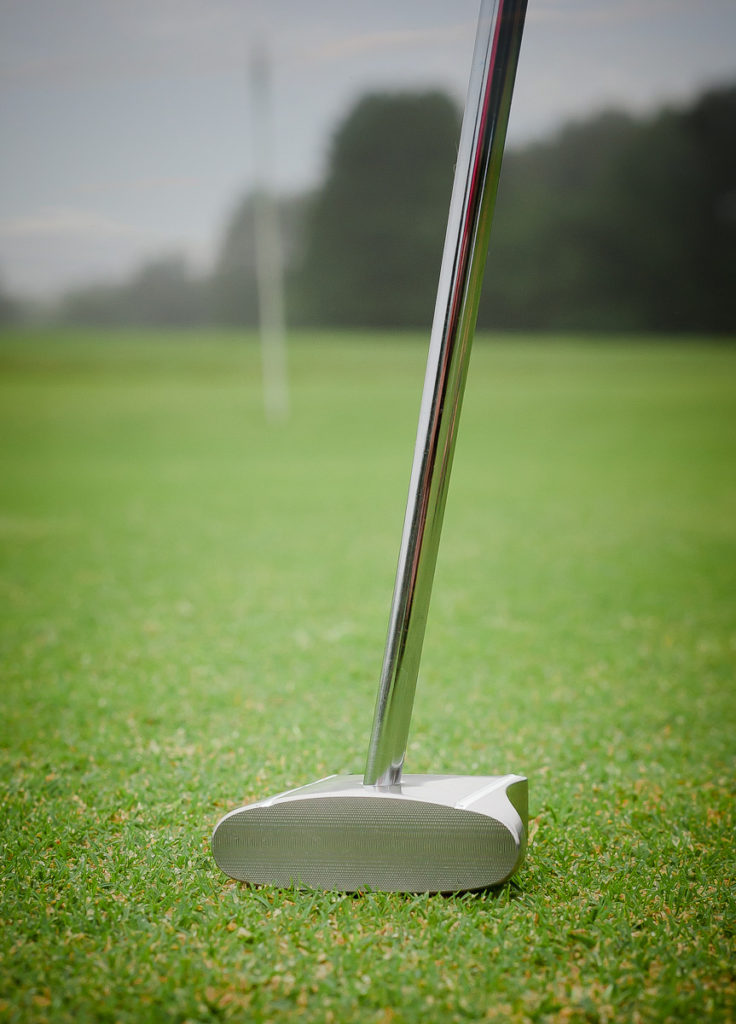
What are the best side saddle putters on the market? These putters are specifically designed for the side saddle putting stroke, yet not all putters available for sale are constructed in the same manner. They vary in their designs, alignments, and shaft angles, aiming to cater to this unique putting technique, enhancing alignment, stability, and performance when using the side saddle method. However, when examining each putter intended for side saddle use, one can observe differences in the putter head design caused by the putter shaft angle.
If your putter lies flat on the green at address before you putt, it essentially resembles a conventional putter. This means that during your putting stroke, you open and close the putter, resulting in potential pulls or pushes in your putt. To avoid these directional inconsistencies, it’s essential to have the putter shaft positioned straight up at address. This stance lead to the toe of the putter head being lower compared to the heel of the putter. However, this setup ensures a perfect putting stroke that consistently follows the target line throughout your putting motion.
How to make a side saddle putter?
Crafting a side saddle putter requires intricate planning and construction to customize the club for the distinctive demands of the side saddle putting technique. This intricate process involves selecting suitable materials and components to shape the putter’s structure. A critical aspect involves designing the clubhead to provide the required loft, alignment features, and weight distribution that suit the side saddle stroke. The shaft of the putter is equally crucial, demanding meticulous attention to ensure it stands upright during the setup, a vital factor for optimal performance. In essence, creating a side saddle putter necessitates meticulous attention to design, materials, and assembly methods, aimed at producing a club tailored specifically to improve alignment, stability, and overall performance for golfers employing the side saddle putting style.
I’m frequently asked about the possibility of launching a new putter.
My response is straightforward: there’s no need to replace something that has performed exceptionally well since March 2007. We don’t believe in persuading you that a new model is superior to its predecessor. With the GP putter, our shaft remains perfectly vertical throughout the stroke, eradicating the issues of pushing or pulling putts. The putter head consistently stays square to the target line.